Believe: A Craft Fair-Ready Embroidery Design
First Impression: Soft, Uplifting, and Instantly Relatable
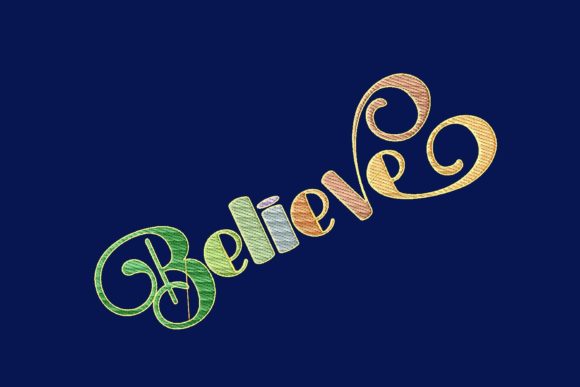
As an embroidery designer who’s prepped over 200 craft fair booths—and watched real customers pause, smile, and reach for items mid-aisle—I can tell you Believe lands exactly where it should: warm, gentle, and quietly confident. It’s not bold or shouty. It’s not rustic-chic or vintage-ironic. It’s soft-minimal with a heartfelt tone—think farmhouse calm meets modern mindfulness. That makes it ideal for the House Home Quotes category, especially for buyers seeking handmade product warmth without trend fatigue. At a glance, it reads as sincere, not saccharine—a rare balance in inspirational embroidery.
Where Believe Shines on Craft Fair Products
In my booth setup—tote bags stacked upright, aprons draped over a ladder shelf, tea towels folded beside embroidered pillow covers—Believe consistently draws attention on three key items:
- Tote bag design: Centered on natural canvas or oat linen, it reads clearly from 6 feet away. The simplicity means no visual competition with handles or pockets.
- Apron embroidery: Positioned just above the pocket (not on the bib), it feels intentional and personal—not like a generic slogan. Customers associate it with care, creativity, and quiet resilience.
- Pillow cover: On a neutral linen or cotton blend, Believe becomes a subtle anchor—elegant when framed, cozy when unstitched. It elevates a $28 pillow cover into a giftable handmade product worth the price bump.
It also works beautifully on tea towel embroidery—especially when stitched in tonal ecru on ivory terry—but avoid placing it near hems or corners where stitching tension distorts letter spacing. As an embroidered patch? Yes—if digitized with clean satin-stitch edges and moderate stitch density—but skip dense fill areas that won’t flex on curved surfaces like caps.
What Holds It Back (and How to Fix It)
Believe is simple—but simplicity isn’t foolproof. I’ve seen this design blur on dark fabric when thread contrast is low, vanish on textured towels if stitch density is too light, and lose legibility on small pouches under 4” wide. Tiny details—like delicate serifs or fine connecting strokes—can disappear at under 3” height. And on curved cap surfaces? Only use if the embroidery file includes built-in curve compensation; otherwise, distortion kills readability.
Crucially: Believe does not scale down gracefully. Below 2.5”, letters begin to merge. That means it’s a weak choice for keychain tags or tiny sachets—but perfect for market bags, framed hoop art, and 12”x12” pillow covers where it breathes.
Photography, Listings, and Online Appeal
This is where Believe truly earns its keep. As a digital embroidery file, it photographs cleanly—no busy background needed. A single linen tea towel laid flat, softly lit, with Believe centered? That’s a top-performing Etsy listing image. Pair it with a printable mockup showing three fabric colors (oat, charcoal, sage), and your conversion rate jumps. Buyers trust consistency—and because Believe looks equally authentic on aprons, totes, and pillows, it strengthens brand cohesion across your shop. No need to explain the vibe. The design does it.
Production Realities Every Embroidery Designer Must Check
Before cutting your first production run, do these six things:
- Test the machine embroidery design on scrap fabric matching your final product—especially if using textured towels or thick denim for aprons.
- Check thread colors against fabric swatches. Ecru on cream? Too subtle. Navy on charcoal? Vanishes. Contrast is non-negotiable.
- Review spacing and kerning. Tight lettering may “bleed” on low-thread-count cotton. Slight tracking adjustments often save a full re-digitizing pass.
- Confirm hoop size compatibility. If your standard hoop is 4”x4”, but Believe stretches to 5” wide, you’ll slow down production—or worse, force awkward re-hooping mid-run.
- Inspect stitch density. Overly dense fills trap stabilizer residue on tea towels; too sparse, and letters fray after washing. Aim for balanced coverage—especially in curves.
- Use the right stabilizer. Tear-away for stable linens, cut-away for knits or stretchy pouch fabrics. Skipping this step turns a premium handmade product into a puckered disappointment.
Why Believe Builds Booth Strength and Buyer Trust
At craft fairs, people don’t buy quotes—they buy feeling. Believe taps into quiet optimism without cliché. When stitched well, it signals care: careful digitizing, thoughtful thread selection, precise hooping. That perception lifts perceived value. A $14 embroidered patch feels artisanal. A $32 pillow cover feels like self-care. And when customers see Believe repeated across your line—on a tote, an apron, a tea towel—they subconsciously register consistency, professionalism, and intention. That’s how small shop products become remembered brands.
Final Notes for Etsy Sellers and Creative Entrepreneurs
Yes, Believe is versatile. But versatility demands intention. Don’t scatter it across ten product types without testing. Start with one hero item—say, a linen apron—and build your story around it. Use your printable mockup to preview colorways before ordering fabric. Confirm commercial licensing before selling finished product—this is a machine embroidery design, not public domain. And always, always create at least one real mockup: stitch it, wash it, press it, photograph it in natural light. Because what sells at a craft fair isn’t just what looks good on screen—it’s what feels true in the hand, resonant in the moment, and worthy of space in someone’s home.